





How to Buy Baby Clothes: A Complete Guide for New and Expecting Parents
Buying baby clothes comes down to four things: soft, natural fabrics; correct sizing based on your baby's actual weight, not their age; safety-checked details like snap closures instead of buttons; and a mix of onesies, sets, and separates so you're covered for every day, not just photos. Here's how to shop smart without overbuying.
What to Look for in Baby Clothes
Material comes first. Soft, natural fabrics like cotton and bamboo are gentle on a baby's skin and let air circulate, which matters more than it sounds — synthetic blends can trap heat and cause irritation on newborn skin.
Convenient features save you time. Look for snap closures at the legs and shoulders (they make diaper changes dramatically faster than buttons) and envelope-style or wide neck openings that stretch over your baby's head without a fight.
Safety details matter. Avoid small buttons, decorative ties, and long drawstrings — they're choking and strangulation risks. Snaps, zippers, and stitched-on details are the safer choice for anything worn unsupervised, like sleepwear.
What Size Should You Buy?
Baby clothing sizes (Newborn, 0–3M, 3–6M, and so on) are based on weight, not birth date — check your baby's actual weight against the size chart rather than assuming by age. Larger newborns often skip the "Newborn" size entirely and go straight into 0–3 months, so resist the urge to stock up heavily on the smallest size. A safer bet: buy a small starter set in Newborn/0–3M, then buy more in 3–6M once your baby arrives and you can see how fast they're growing.
Newborn Essentials vs. What You'll Need as They Grow
The first few weeks call for a small, specific wardrobe: soft rompers and gowns with front snaps for easy changing, and nothing that has to go over the head while your baby is still adjusting. Our newborn clothing collection is built around exactly that — easy-change basics sized for the earliest weeks. As your baby moves past the newborn stage, the wider baby clothing collection covers the fuller range of sizes and styles you'll need next.
Onesies, Sets, or Separates: What's the Difference?
Onesies are your everyday layer — quick to change, easy to layer under anything, and the thing you'll reach for most. Shop baby girls onesies or baby boys onesies for the basics every newborn wardrobe needs.
Sets are pre-coordinated outfits — a top and bottom, or a romper with a matching accessory — that take the guesswork out of dressing your baby for outings, photos, or gifting. Browse baby girls sets or baby boys sets when you want a finished look without assembling one yourself.
Separates — tops and bottoms sold individually — make the most sense once your baby's size settles down a bit, usually from 3 months on. They let you mix and match and get more outfits out of fewer pieces. See baby girls tops and baby girls bottoms, or baby boys tops and baby boys bottoms.
Quality Details Worth Checking Before You Buy
A few small construction details make a real difference in how much a piece actually gets worn. Flat, lay-flat seams — rather than bulky overlocked seams — sit more comfortably against sensitive skin, especially inside footies and along the neckline. Fold-over cuffs on newborn sleeves double as built-in mittens, so your baby can't scratch their own face without you needing a separate pair. Snap plackets that run fully down both legs let you change a diaper without pulling anything over your baby's head — worth checking on any sleeper before you buy. And a little extra room through the footer or body buys you a few more weeks of wear before a growth spurt makes a piece obsolete. You'll find most of these details called out in the product photos throughout our newborn clothing collection.
Shopping for Girls, Boys, or Gender-Neutral
If you know what you're having (or have a strong preference), baby girl clothing and baby boy clothing cover the full range from newborn basics to toddler styles. If you're shopping ahead of a gender reveal or simply prefer neutral pieces, the general baby clothing collection includes plenty of styles that work either way.
Don't Forget the Accessories
A few small accessories do a lot of work: a soft hat for temperature regulation in the first weeks, scratch mittens to stop newborns from scratching their own faces, and extra socks (which disappear faster than anything else you own). Round out your registry or shopping list with our baby accessories collection.
Dressing for the Season
Temperature regulation is one of the trickiest parts of newborn dressing, since babies can't tell you if they're too hot or cold. A simple rule of thumb: dress your baby in about one more layer than you're comfortable in yourself, and check by feeling the back of their neck or chest rather than their hands and feet, which naturally run cooler. For sleep, skip loose blankets in favor of a wearable sleep sack or swaddle — they keep your baby warm without the suffocation risk that loose bedding carries. Browse swaddles and sleep sacks in our baby accessories collection. In warmer months, a single light layer like a cotton onesie is often enough, even overnight; in colder months, a footed sleeper plus a swaddle or sleep sack rated for the season usually does the job without piling on extra blankets.
Your Newborn Clothing Checklist
A simple starting point if you're not sure how much to buy before baby arrives:
| Item | Suggested Quantity | Recommended Size |
|---|---|---|
| Onesies | 6–8 | Newborn / 0–3M |
| Sleepers or footed pajamas | 4–6 | Newborn / 0–3M |
| Outfits or sets | 2–3 | 0–3M |
| Swaddles or sleep sacks | 2–3 | One size |
| Hats | 2 | Newborn |
| Socks or scratch mittens | 3–4 pairs | Newborn / 0–3M |
Keep receipts and hold off on washing anything you're not sure you'll need — exchanges are easier than you'd think, and it's common to receive several duplicate gifts at a baby shower. If you're building a registry, lean it toward 3–6M and 6–9M sizes — newborn-size items are the ones friends and family tend to buy on their own anyway.
Washing Baby Clothes Before First Wear
Wash everything before your baby wears it for the first time, even items marked as pre-washed. Use a free-and-clear, dye-free detergent formulated for sensitive skin, and skip fabric softener and dryer sheets, which can leave a residue that irritates newborn skin. Washing new baby clothes separately from the rest of the family's laundry for the first few washes is an easy habit that avoids unnecessary irritation.
Ready to start shopping? Browse the full baby clothing collection, or head straight to newborn clothing if baby is due any day now.
Frequently Asked Questions
-
White
-
Yellow
-
Champagne
-
Pink
- + 4
-
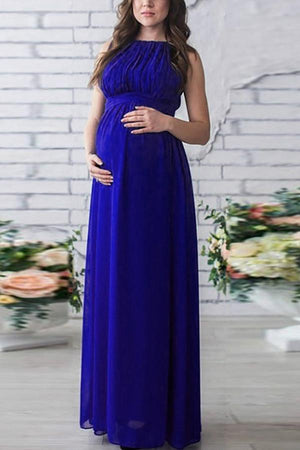
Royal Blue
-
White
-
Pink
-
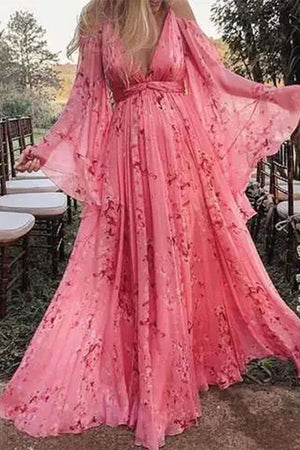
Pink
-
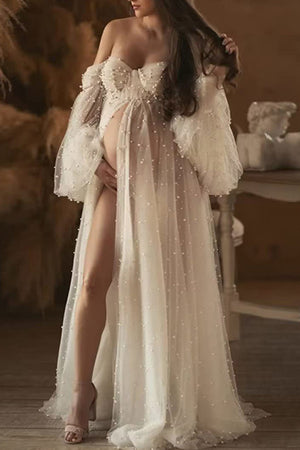
Ivory
-
Pink
-
Brown
-
White
-
Black

-
Champagne
-
White
-
Blue
-
Pink
-
Champagne
-
White
-
Blue
-
Pink